

Two families of shockwaves
Clinicians distinguish focused shockwaves — generated electrohydraulically, electromagnetically, or piezoelectrically with converging geometry — from radial pressure waves, sometimes called radial ESWT, that spread from a handpiece into superficial tissue.[3][9] Focused systems resemble lithotripsy physics more closely; radial devices deliver high-energy pulses with rapid pressure rise but broader beam spread. Cleveland and McAteer summarise how shock fronts carry energy via nonlinear propagation in tissue and fluid.[8]
FDA regulatory categories cover lithotripsy devices separately from musculoskeletal ESWT platforms; indication, training, and maintenance differ by manufacturer and jurisdiction.[10] Patients should ask which device type they will receive and whether evidence supports it for their specific diagnosis.
Proposed mechanisms — neovascularisation, nociception, and matrix remodelling
ESWT does not simply "massage deeply." Proposed mechanisms include local neovascularisation, down-regulation of substance P, disruption of calcific deposits in selected tendinopathies, and stimulation of fibroblast activity that nudges stalled healing cascades.[3][9] Wang's overview emphasises that effects are dose-dependent: energy flux density, pulse count, and interval between sessions change outcomes and soreness profiles.[9]
That dose dependence explains why DIY shockwave gadgets worry specialists. Without imaging, operators may treat the wrong tissue, exceed safe cumulative energy, or apply radial waves where focused targeting is required.[5]

What the clinical trials show
Plantar fasciitis is the best-studied indication. Rompe et al. reported benefit from low-energy ESWT in chronic cases resistant to conservative care.[2] Gerdesmeyer et al.'s radial ESWT trial showed improved pain and function versus placebo in recalcitrant plantar fasciitis.[1] Ogden's earlier orthopaedic series helped establish ESWT as a consideration before surgical release.[4]
Tendinopathy evidence is mixed but trending positive when patients are selected carefully. Mani-Babu et al. found ESWT superior to minimal intervention for lower-limb tendinopathy in meta-analysis, with caveats about study quality.[6] van der Worp et al. and Notarnicola et al. reported measurable gains in Achilles tendinopathy cohorts, though effect sizes vary.[13][14]
Speed's systematic review cautions that enthusiasm outpaced homogeneity: device type, energy level, and concomitant rehabilitation protocols differ across trials.[5] Dedes et al. concluded ESWT is generally safe for tendinopathies but not universally superior to eccentric loading or supervised physio.[7] Cochrane-level syntheses continue to refine which patients benefit most.[12]
Session experience, side effects, and contraindications
Typical courses span three to six sessions with transient petechiae, swelling, or sharp discomfort during pulses. Serious adverse events are uncommon when operators avoid lungs, nerves, vessels, and growth plates in adolescents.[3][7] Anticoagulation, infection at the site, and unconfirmed diagnosis are common exclusion reasons.
Post-session soreness often peaks before improvement — patients should receive load-modification guidance, not just a billing code. NIH pain summaries list ESWT among complementary musculoskeletal options worth discussing with a clinician, not self-prescribing.[11]
Shockwave therapy versus everyday sound exposure
Acoustic shockwaves for therapy peak around tens to hundreds of megapascals in focal zones — nothing like conversational speech (~0.02 Pa) or even loud concerts. Basner et al. document health harms from chronic environmental noise; ESWT is the opposite problem: brief, extreme, localised intensity applied deliberately.[18] Confusing the two leads to both false fear of calm audio and false hope that playlists heal tendons.
Therapeutic ultrasound in physiotherapy — continuous or pulsed, low intensity — sits on yet another rung of the energy ladder. Johns reviewed nonthermal effects at physiotherapy doses; ESWT exceeds those by orders of magnitude.[15]
Conditions studied beyond the heel
ESWT research extends to lateral epicondylitis, calcific shoulder tendinopathy, patellar tendinopathy, and stress fractures in selected athletes. Wang's overview catalogues musculoskeletal indications with typical energy settings and session counts.[9] Evidence quality varies: plantar fascia and Achilles have the densest RCT base; other sites often rely on smaller series.
Speed's systematic review urged standardising energy flux density reporting — without it, cross-trial comparison is guesswork.[5] Patients should ask clinicians to cite indication-specific evidence, not generic "shockwave helps pain" brochures.
A typical clinical course
Most protocols deliver 2000–3000 pulses per session at manufacturer-defined settings, weekly or biweekly for several weeks. Local anaesthesia may or may not be used. Post-session relative rest is common advice, followed by gradual loading under physiotherapy supervision. Gerdesmeyer et al. and Rompe et al. both emphasised that ESWT works best after structured conservative care failed — not as first-line before stretching, footwear changes, or load management.[1][2]
Radial devices are often applied directly over superficial tendons; focused systems may target deeper tissue with imaging. Chung and Wiley's review diagrams device differences for informed consent conversations.[3]
Where Sound Bubbles fits — recovery room, not treatment table
After authorised care, some patients use soft ambient sound for relaxation during rehab — not because rain cures plantar fascia, but because autonomic downshift may support perceived comfort. Alvarsson et al. showed faster stress recovery with nature sounds versus urban noise in laboratory stress tasks.[20] That is companionship, not ESWT.
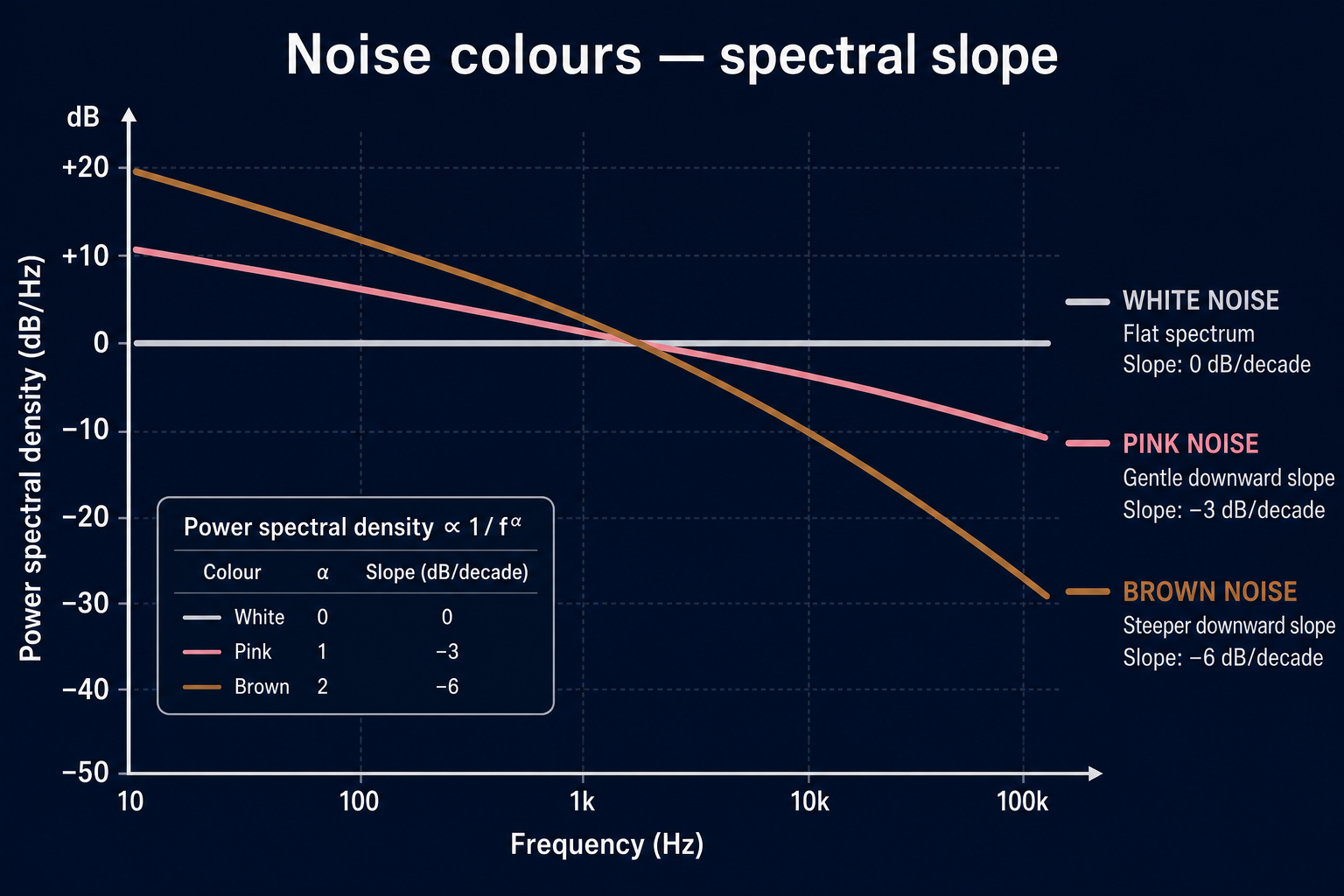
Sound Bubbles gardens offer adjustable brown-noise floors and distant nature layers for listeners who want low-surprise environments while resting an irritated limb. Keep volumes comfortable; protect hearing per WHO and CDC guidance.[16][17] Do not delay proven medical shockwave courses because an app feels pleasant.
Dedes et al. concluded ESWT is generally safe for tendinopathies but not universally superior to eccentric loading or supervised physio.[7] Mani-Babu et al. found benefit in meta-analysis with quality caveats — patients should expect incremental gains, not instant cures.[6] Combining ESWT with physiotherapy-led loading often outperforms either alone in pragmatic clinics, though trials vary in co-intervention design.[13]
Radial pressure wave devices feel like vigorous tapping; focused systems produce deeper focal ache. Both can cause petechiae or temporary functional worsening before improvement — informed consent should normalise that trajectory, not hide it.[3]
Insurance coverage for ESWT varies by country and indication; some plans classify it as experimental for certain tendons. Document failed conservative care before authorisation — Rompe and Gerdesmeyer trials enrolled recalcitrant cases, mirroring payer logic.[1][2]
Home shockwave devices sold online may lack fluence calibration, risking under-treatment or soft-tissue injury. FDA lithotripsy and musculoskeletal device classes exist because pressure waveform matters; unregulated gadgets are not ESWT by label.[10]
Return to play or work timelines should follow physiotherapist load tests, not pulse counts alone. Ogden et al.'s orthopaedic series combined ESWT with structured rehab — the combination pattern persists in best clinics today.[4]
Limits
ESWT is adjunctive musculoskeletal care today, not any universal pain cure pathway yet. Eccentric exercise, load management, footwear changes, and manual therapy remain first-line for many tendinopathies. Speed and Chung reviews both stress heterogeneous evidence — ask for indication-specific data.[3][5] FDA wellness policy does not cover consumer devices claiming shockwave benefits without clearance.[19] If pain persists, pursue diagnosis — not louder headphones.[11]
How this article was researched
We combine first-hand experience placing and tuning Sound Bubbles gardens with citations from peer-reviewed journals, reviews, and institutional pages (including NIH/NCBI, sleep and hearing literature, acoustics, and attention research). Where evidence is mixed or early, we say so. On wellbeing topics we stay cautious: these are companion soundscapes, not cures.
References
Sources cited in this article. Prefer primary literature and institutional guidance; Sound Bubbles is not a medical device and these citations do not imply clinical endorsement.
- (2008). Radial extracorporeal shock wave therapy is safe and effective in the treatment of chronic recalcitrant plantar fasciitis. American Journal of Sports Medicine. doi:10.1177/0363546508315875
- (2002). Evaluation of low-energy extracorporeal shock-wave therapy for chronic plantar fasciitis. Journal of Bone and Joint Surgery.
- (2010). Extracorporeal shockwave therapy: a review. Sports Medicine. doi:10.2165/11534420-000000000-00000
- (2001). Shock wave therapy for chronic proximal plantar fasciitis. Clinical Orthopaedics and Related Research.
- (2014). A systematic review of shockwave therapies in soft tissue conditions. British Journal of Sports Medicine. doi:10.1136/bjsports-2013-092681
- (2015). The effectiveness of extracorporeal shock wave therapy in lower limb tendinopathy. American Journal of Sports Medicine. doi:10.1177/0363546514561911
- (2018). Effectiveness and safety of shockwave therapy in tendinopathies. Maturitas. doi:10.1016/j.maturitas.2018.06.010
- (2014). The physics of shock wave lithotripsy and extracorporeal shock wave therapy. Annual Review of Biomedical Engineering. doi:10.1146/annurev-bioeng-071813-104922
- (2012). An overview of shock wave therapy for musculoskeletal disorders. Journal of Orthopaedic Surgery and Research. doi:10.1186/1749-799X-7-11
- (2020). Extracorporeal shock wave lithotripsy devices — regulatory context. U.S. FDA.
- (2024). Musculoskeletal pain — complementary approaches overview. NIH.
- (2017). Extracorporeal shock wave therapy for plantar fasciitis (review context). Cochrane Library.
- (2013). ESWT for tendinopathy: a systematic review. British Journal of Sports Medicine. doi:10.1136/bjsports-2012-091601
- (2012). SWT in Achilles tendinopathy: a meta-analysis. Knee Surgery, Sports Traumatology, Arthroscopy. doi:10.1007/s00167-011-1814-2
- (2002). Nonthermal effects of therapeutic ultrasound. Physical Therapy.
- (2021). World report on hearing. WHO.
- (2023). Noise and hearing loss prevention. CDC.
- (2014). Auditory and non-auditory effects of noise on health. The Lancet. doi:10.1016/S0140-6736(13)61613-X
- (2019). General wellness policy for low-risk devices. U.S. FDA.
- (2010). Stress recovery during exposure to nature sound and environmental noise. IJERPH. doi:10.3390/ijerph7031036